
-1068x500.jpg)
Dreaming of your own home on the Adriatic coast, where the sun warms your skin and the sea breeze keeps you cool? In this article we explain whether a foreigner can buy a plot of land in Montenegro in 2026, what restrictions actually apply, how much it costs, and what to budget for building a house.
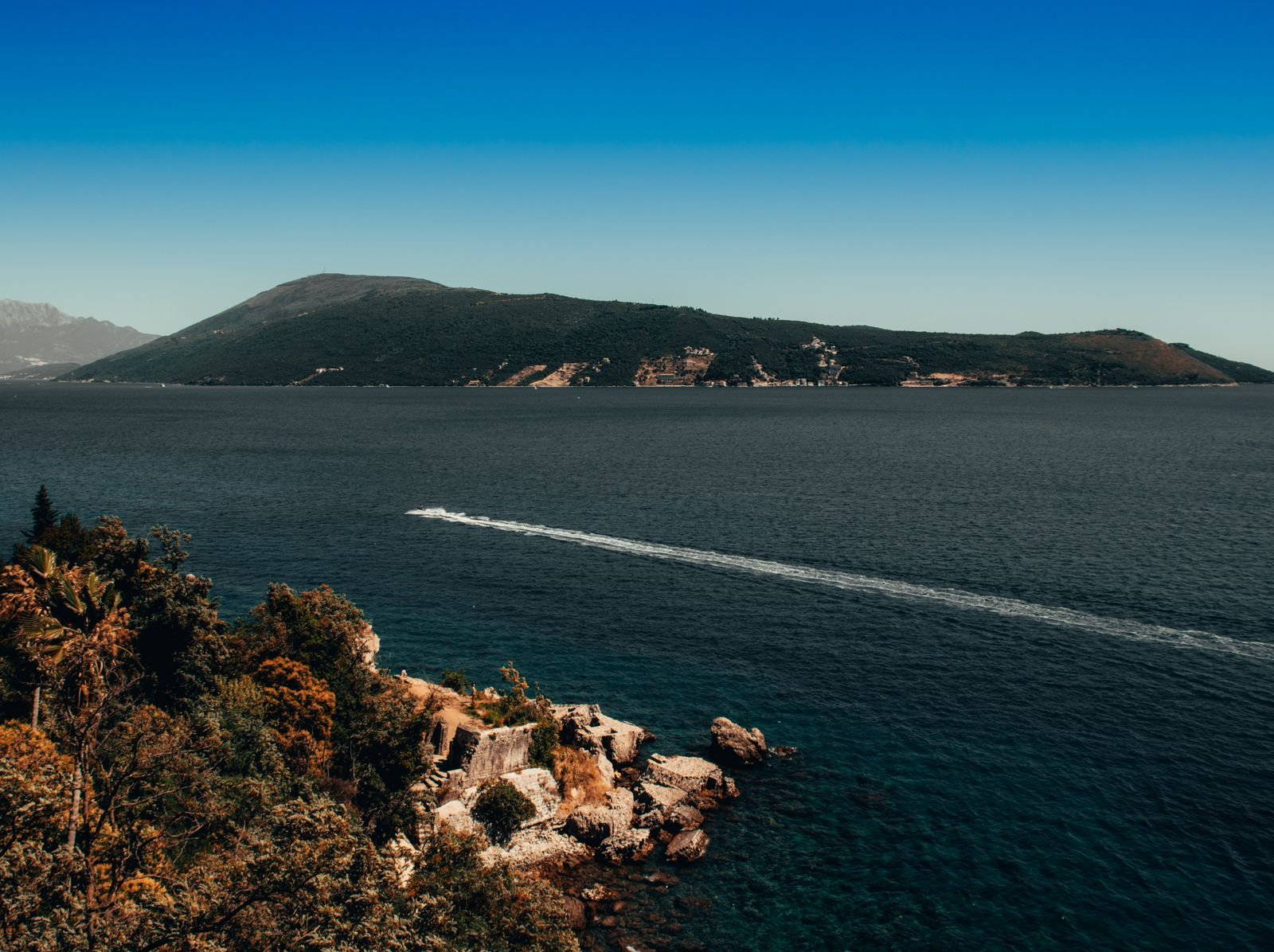
Types of land plots in Montenegro
Countryside plots. Ideal for those looking for a quiet life away from busy towns — room for a garden or small farming.
Coastal plots. The most expensive but also the most prestigious option: sea views, proximity to the beach, developed infrastructure.
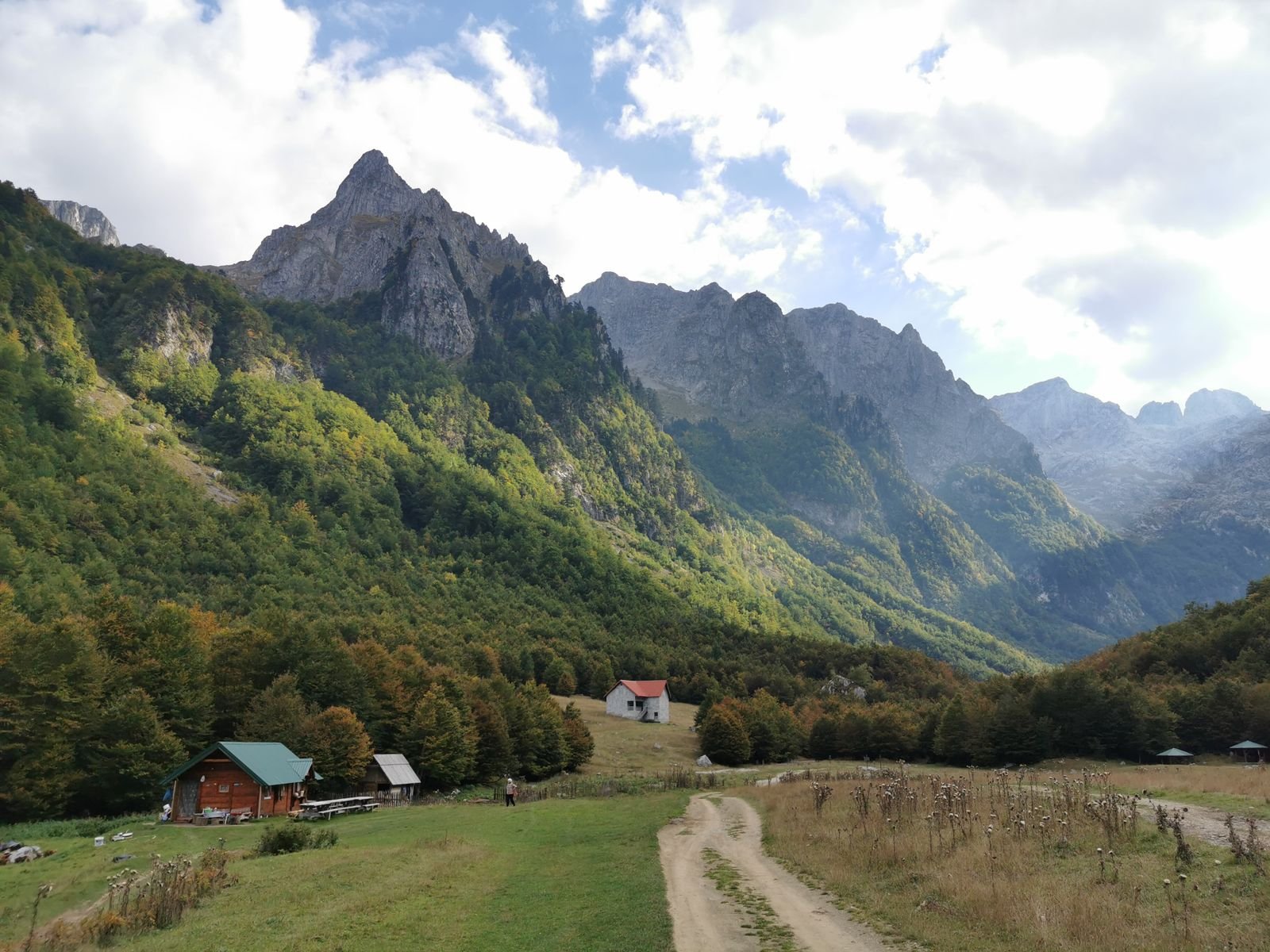
Mountain plots. Great for nature lovers and outdoor activities — panoramic mountain views, clean air, silence.
Can a foreigner buy land in Montenegro in 2026?
Yes, but not every type of land. The key rule: foreigners cannot directly own agricultural or forest land — for these categories you need to register a Montenegrin company (d.o.o.), which can be 100% foreign-owned, and register the land under it. This is a standard and fully legal approach.
Building (urban) plots intended for residential construction, on the other hand, can be purchased directly by a foreign individual, on equal terms with Montenegrin citizens, with no special area cap.
It's still worth checking the status of any specific plot near the state border, on certain islands, or in protected natural or cultural heritage zones, since additional approvals may apply there. Before buying, always request an official land-use extract from the cadastre (e-katastar) for that exact plot rather than relying on general rules.
Step-by-step process of buying a plot
- Decide on your budget, preferred location and type of plot — countryside, coast or mountains.
- Check the seller's documents: title, absence of liens or disputes, and the land's official use category (namjena) in the cadastre.
- Sign the purchase agreement with the seller before a notary.
- Pay for the plot according to the agreement.
- Register the ownership with the cadastral authority.
Permits needed to build on the plot
Once you own building land, you'll need:
- Construction permit — issued by the local municipality.
- Technical documentation — a house project prepared by a certified architect.
- Utility coordination — connection to water, electricity and sewerage networks.
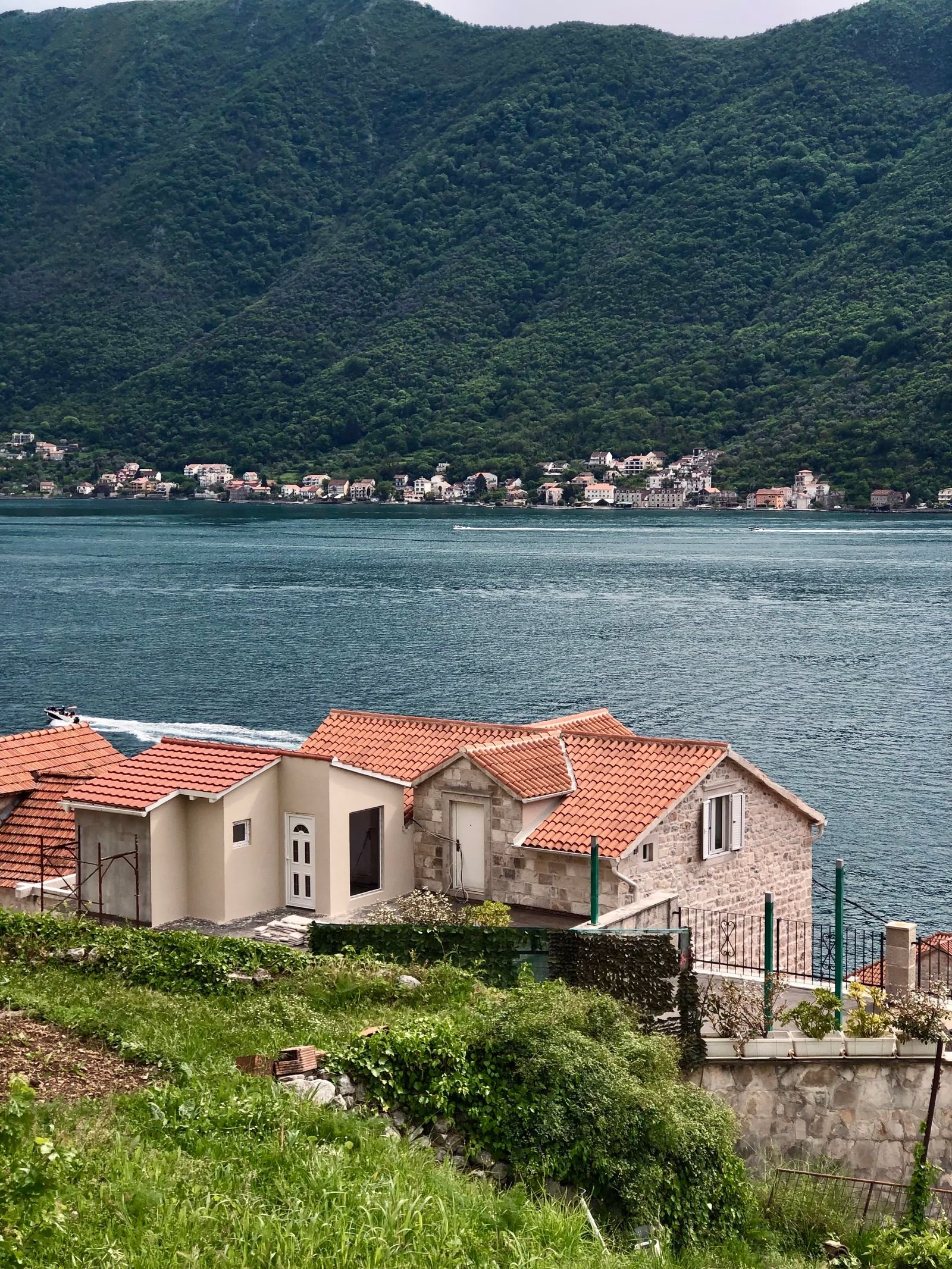
How much does land and construction cost in Montenegro
Land prices vary enormously by location — from inexpensive plots in the mountains and rural villages to premium sea-view coastal lots — so it's worth pricing a specific listing rather than relying on averages.
Turnkey construction typically costs from €400 to €900 per m², depending on the finishing standard: budget projects are cheaper, premium ones cost more. The final price depends on:
- the house's area and number of floors;
- the materials chosen;
- project complexity and the plot's terrain;
- labour and logistics costs.
These figures are indicative and vary by project — for an exact quote, contact local construction companies.
Taxes and costs when buying land in Montenegro
Besides the price of the plot itself, budget for:
- Real estate transfer tax — since 1 January 2023 Montenegro applies a progressive scale: 3% on amounts up to €150,000; a fixed €4,500 plus 5% on the amount above €150,000; and €22,000 plus 6% on the amount above €500,000. Buying directly from a developer is subject to 21% VAT instead of this tax.
- Transaction costs — notary fees and, if needed, a translator.
- Legal support — document checks and protection of your interests during the deal.
- Geodetic survey — if you're planning to build.
- Utility connections — electricity, water, sewerage, gas.
Taxes and obligations after the purchase
- Annual property tax — 0.25% to 1% of the market value; the exact rate within this range is set by the municipality.
- Inheritance and gift tax — close relatives (spouse, children, parents) are exempt; other beneficiaries pay tax on the same scale as the purchase transfer tax.
- Plot upkeep — an obligation to keep the land tidy.
- Utility bills — for water, electricity and gas actually consumed.
Why Montenegro is attractive for buying land
- Picturesque scenery, from the azure coastline to dramatic mountain peaks.
- A mild Mediterranean climate with plenty of sunny days.
- A well-developed road network and transport links.
- A stable political and economic environment in the region.
- Land and property prices that remain accessible compared with much of the rest of Europe.
Pros and cons of owning land in Montenegro
Pros: investment potential; full control over the design, layout and materials of your future house; excellent environment; regional stability.
Cons: ongoing costs for maintaining the plot and property; bureaucratic procedures that take time; the need for careful legal due diligence on the land's status before buying.
How to choose a plot for building a house
- Set your budget.
- Choose the region.
- Decide on the type of plot — countryside, coast or mountains.
- Check the availability and cost of utility connections.
- Confirm the documents are clean and check the land's cadastral status.
- Assess the view, terrain and transport access.
Frequently asked questions
Can a foreigner buy land in Montenegro in 2026?
Yes. Building (urban) plots can be bought directly and freely by individuals. Agricultural and forest land can only be acquired through a Montenegrin company.
What tax applies when buying land in Montenegro?
Since 2023 a progressive rate applies: 3% up to €150,000, then a rising scale — see the tax section above for details.
How much does it cost to build a house in Montenegro?
On average, €400–900 per m² turnkey, depending on the finishing standard and project complexity.
Buying land and building a house is a long-term project that calls for careful planning and sound legal support. The figures in this article are indicative — for an exact estimate for your case, contact local specialists.